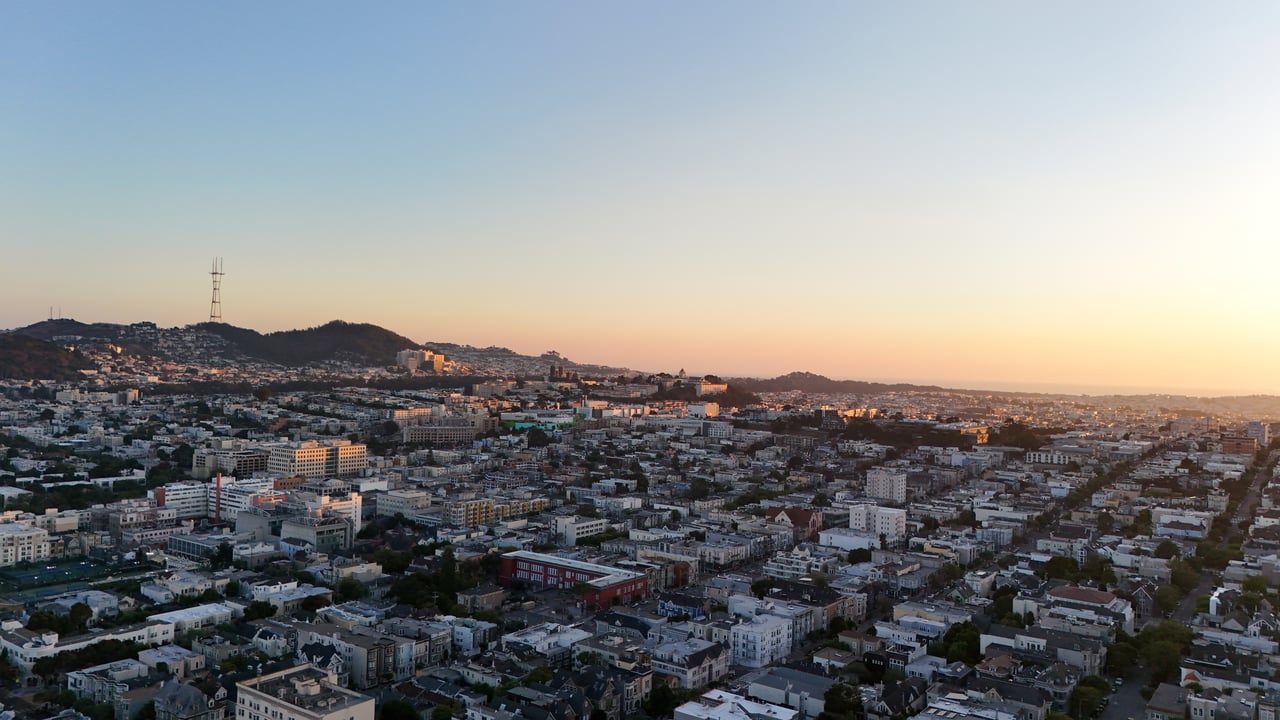
Lower Pacific Heights: Pacific Heights Lifestyle Without the Price Tag
Quick answer: Lower Pacific Heights sits directly south of Pacific Heights, between California Street and Geary Boulevard, and Presidio Avenue and Van Ness Avenue. It offers similar mild weather, walkability, and access to parks, shopping, and dining as its more famous neighbor, but at a meaningfully lower price. Condos average around $1.26 million, about $1,000 per square foot, compared to roughly $2 million and $1,250 per square foot in Pacific Heights. Single-family homes average about $2.9 million versus nearly $7.5 million in Pacific Heights.
Where Is Lower Pacific Heights Located?
Lower Pacific Heights sits immediately south of Pacific Heights, running from California Street to Geary Boulevard north to south, and Presidio Avenue to Van Ness Avenue west to east.
Even though it's on the north side of the city, its location keeps it central, and that has a direct effect on weather. The cold and fog fronts that roll in from the Pacific Ocean to the west don't hit this far into the center of the city with the same intensity, and being more inland from the north side means the wind and colder air from that direction are muted too. There's not much weather difference here compared to Pacific Heights, or compared to the south side of the hill in Pacific Heights itself.
Is Lower Pacific Heights Good for Commuting?
This is actually one area where Lower Pacific Heights edges out its pricier neighbor. Sitting slightly south of Pacific Heights makes it a stronger option if you're commuting to the South Bay, say for a tech job, but still want to live in the city instead of the suburbs. It's not as convenient for that commute as Noe Valley, Glen Park, St. Francis Wood, or West Portal, but it beats out neighborhoods farther north like the Marina, Cow Hollow, Presidio Heights, or Pacific Heights itself.
It's also well positioned for downtown. You're close to major thoroughfares, including California Street, Pine Street, Bush Street, Sutter Street, Post Street, and Geary Boulevard, all of which run straight downtown. That makes it easy to get around whether you drive or take public transit, and it's a solid choice if you want to live in San Francisco without being right on top of downtown.
What About Traffic and Noise?
That same convenience cuts both ways. California, Pine, Bush, Sutter, Post, and Geary are among the busiest streets in the city, and this is really the main reason Lower Pacific Heights costs less than Pacific Heights. Living in the neighborhood means you're either on one of those busy streets or on a side street sandwiched between two of them.
Living directly on a busy street isn't ideal, but it can mean real savings on an otherwise excellent property. A recent example: a 3-bed, 3-bath Victorian just over 2,000 square feet on Pine Street, beautifully finished with classic period details and a great yard, listed at $3.2 million and sold for $3.5 million. The same house two blocks up on Clay Street would likely have sold north of $4 million. Despite being on a busier street, the interior was quiet, and the main downside was needing to wait for a break in one-way traffic when pulling out of the driveway.
You don't have to be on a busy street to live here, though. The north-to-south side streets are well insulated from noise and traffic and feel just as peaceful as anywhere in Pacific Heights. A recent sale on Scott Street, a 3-bed, 2.5-bath Victorian built in 1900 with original gas lamps (among the first ever deeded for residential use in the city), sold for $3.2 million, about $1,900 per square foot, a higher price per foot than the Pine Street house since it was set back from the busy corridor and slightly smaller.
What Parks Are in Lower Pacific Heights?
Raymond Kimbell Playground
A relatively new addition to the neighborhood, open for about a decade, with a clubhouse, children's play area, multiple baseball fields with bleacher seating, and open green space.
California Tennis Club and Hamilton Tennis Courts
Lower Pacific Heights is a strong option for tennis players. Hamilton offers public courts, while the California Tennis Club is membership-based with a gym, full bar and restaurant, and event space.
Alta Plaza Park and Lafayette Park
Both of Pacific Heights' signature parks are within walking distance, each with tennis courts, a basketball court, playgrounds, and open green space surrounded by some of the city's most striking architecture. Alta Plaza tends to have better views and sits on quieter streets, while Lafayette is ringed by busier roads but offers its own great views and iconic architecture, including the co-op buildings at 2000 and 2006 Washington Street and the Spreckels Mansion.
What Shopping and Dining Are Nearby?
Fillmore Street anchors the retail and restaurant scene, with clothing brands like Frame, Rag & Bone, and Paige alongside independent boutiques, candle shops, spice stores, and antique shops. The food variety runs from Italian and Vietnamese to Mediterranean and Mexican, plus donut shops, pizzerias, and delis. Pizzeria Delfina on California and Fillmore and Jonny Donuts right next door are standout spots, and Harry's Bar on Fillmore is a reliable sports-bar option with solid food.
Upper Fillmore is currently going through the Upper Fillmore Revitalization Project, where an investor group led by a longtime local, working through a non-profit foundation, purchased a significant stretch of commercial real estate along the corridor, including the Clay Theater. That's brought some tenant turnover and a handful of empty storefronts as the project works to revitalize the retail corridor, which has generated some pushback from residents concerned about longstanding businesses being displaced.
Divisadero Street adds French restaurant Routier, B Patisserie (one of the best pastry shops in the city), and SF Athletic Club, a sports bar with Tuesday trivia nights. Japantown is close by too, with its mall of Japanese food options, the Kabuki multiplex, and Copra, one of the best Indian restaurants in San Francisco, right next to the mall.
Where Do You Grocery Shop in Lower Pacific Heights?
● Whole Foods: on California and Franklin.
● Mollie Stone's: on California and Fillmore.
● Bryan's Market and Cal-Mart: at Laurel Village, also off California Street.
● Trader Joe's: off Geary.
There are also a number of local, Japanese, and Indian markets scattered through the neighborhood, so you won't be short on options.
What Does the Architecture Look Like?
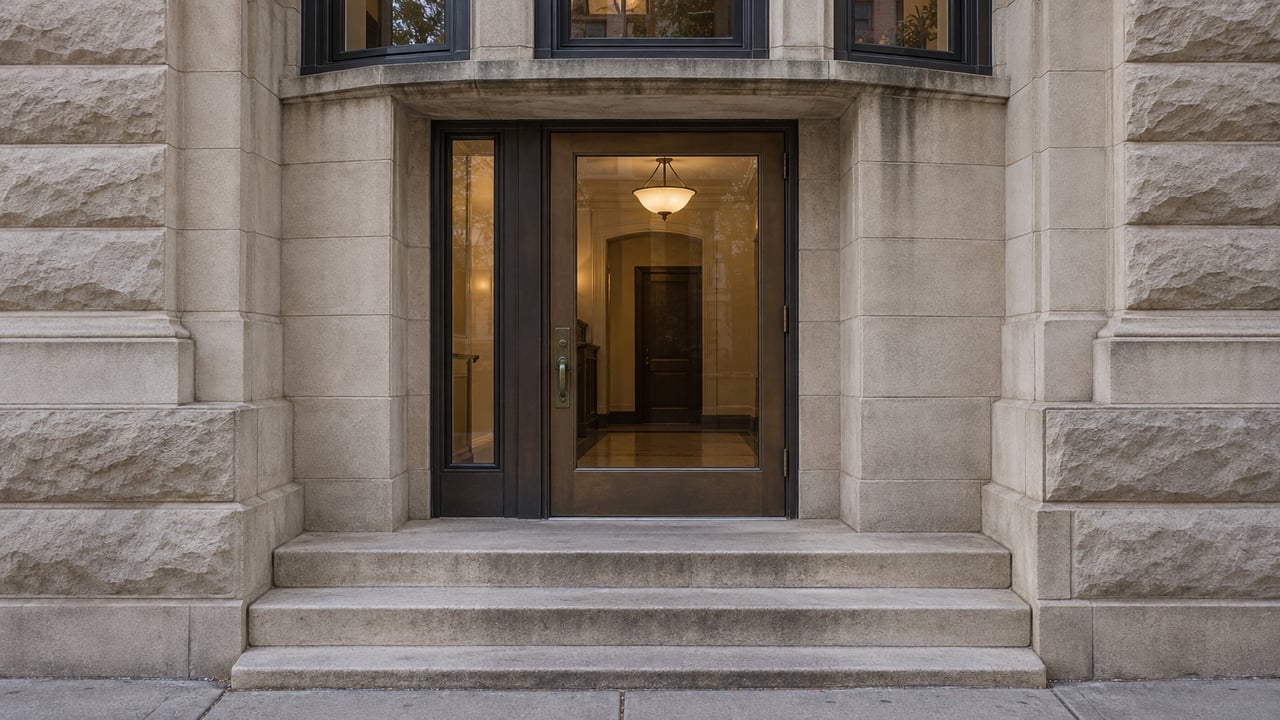
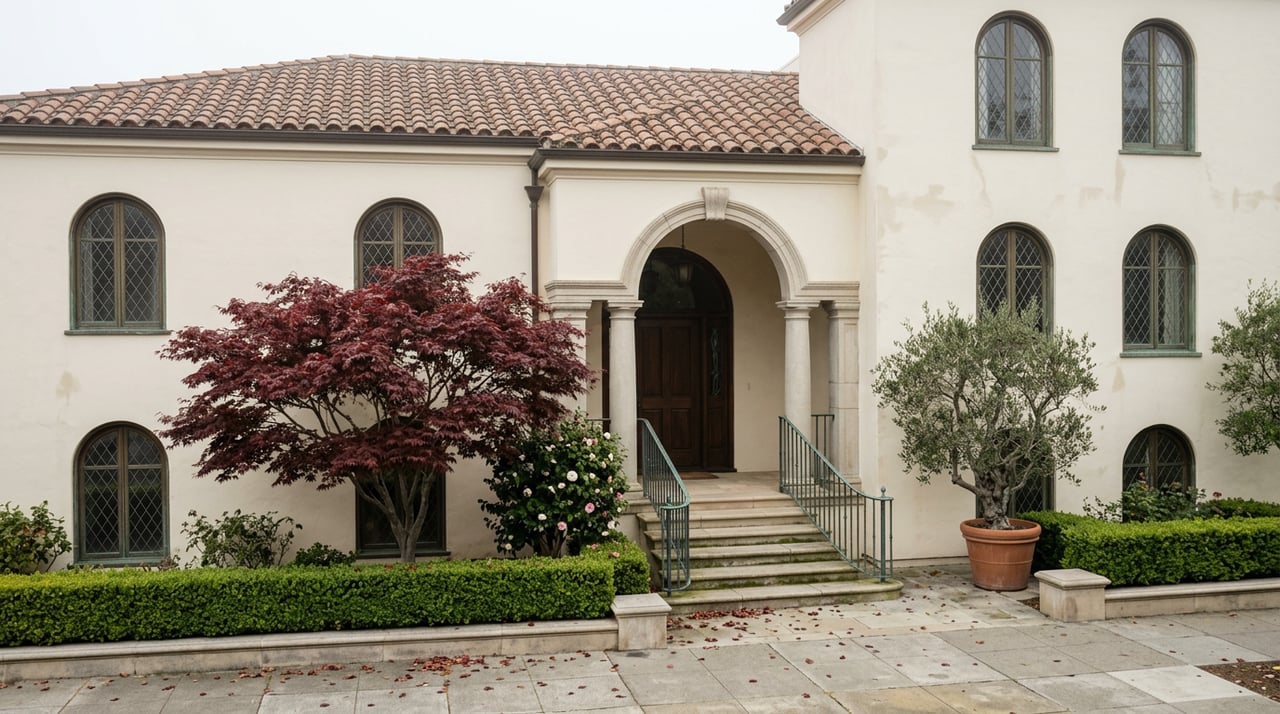
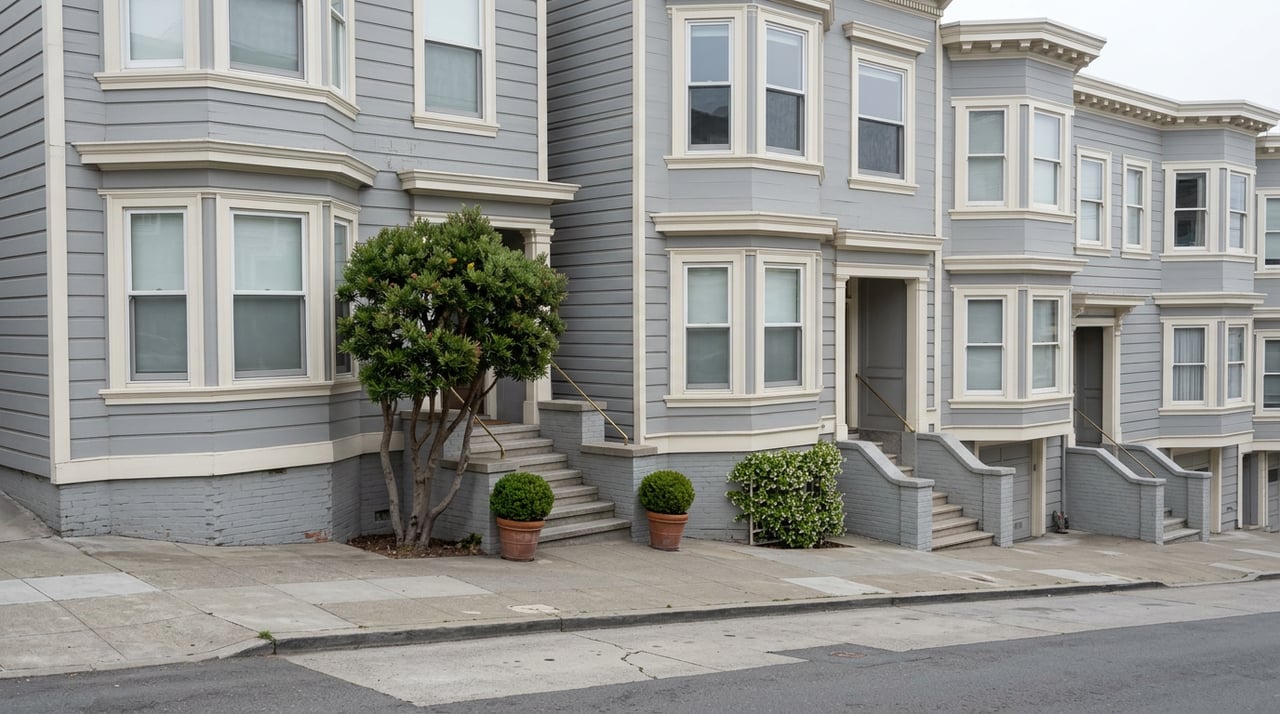
Homes here aren't as opulent as Pacific Heights, where some properties run past 10,000 square feet, but the architecture is still striking, with plenty of century-plus-old Victorians on tree-lined streets. Historic Cottage Row has a cluster of homes built in the 1860s and 1870s next to a small park that's ideal for dogs.
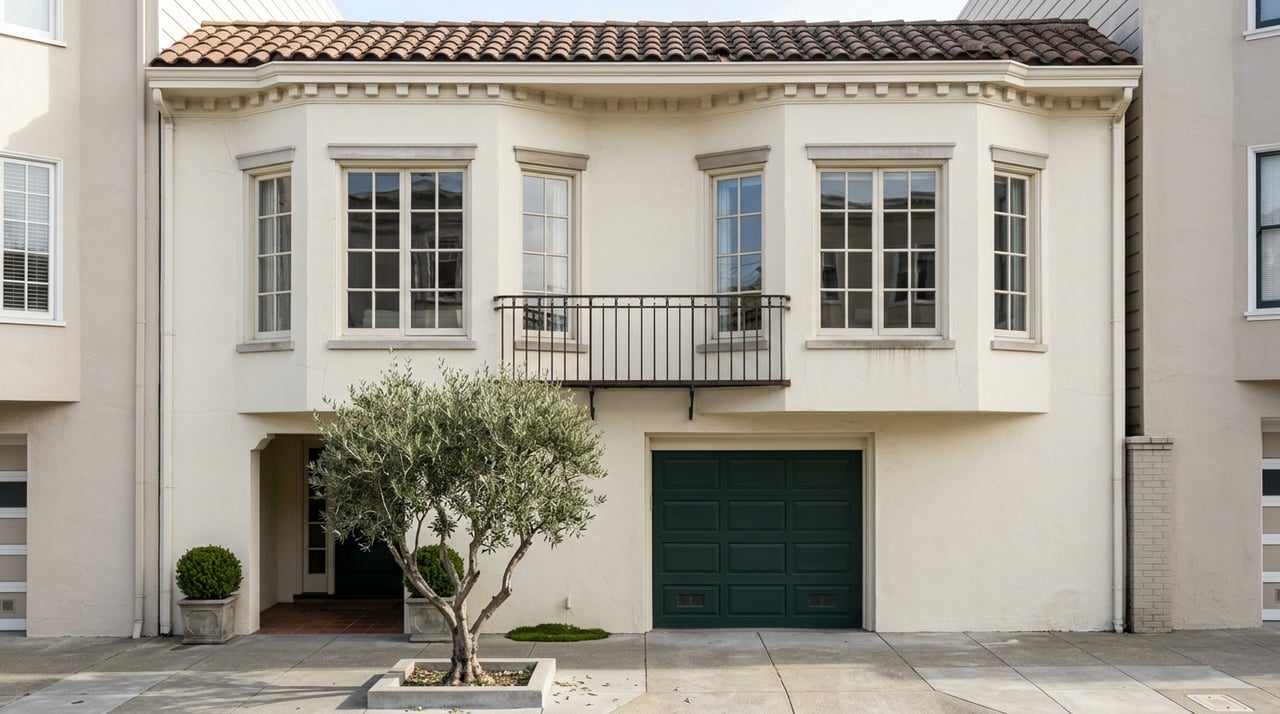
Most of the building stock is low-rise condo buildings, typically 2 to 4 units. There's not a lot of new construction, but the Rockwell, on the neighborhood's eastern edge, is the exception: built in 2016 with 260 residences, a roof deck, sky lounge, gym, and clubhouse, right next to the Whole Foods on Franklin. Newer-construction amenity buildings like this are rare on the north side of the city.
What Does Housing Cost in Lower Pacific Heights?
● Rockwell condos: under $1 million for one bedrooms and under $1.5 million for two bedrooms, well below newer construction in Pacific Heights, where two bedrooms start closer to $1.8 million and one bedrooms north of $1.1 million.
● Condos overall: averaging $1.26 million over the past year, about $1,000 per square foot, compared to roughly $2 million and $1,250 per square foot in Pacific Heights.
● Single-family homes: averaging about $2.9 million, or a little over $1,300 per square foot, compared to nearly $7.5 million and close to $1,600 per square foot in Pacific Heights.
● Top sale of the past year: the house made famous by Full House, a fully renovated 150-year-old, 4-bed, 3.5-bath home just over 3,700 square feet, sold for $6 million in spring 2025. Most single-family sales in the area land in the high-$2 million to mid-$3 million range, while Pacific Heights typically starts closer to $4 million.
You won't get the north-facing Pacific Heights views here, but you can get strong city views to the east and south. Combined with the somewhat busier streets, that's the main driver behind the lower prices.
Frequently Asked Questions
Is Lower Pacific Heights a good alternative to Pacific Heights?
Yes. It offers similar weather, walkability, parks, and dining, with meaningfully lower home prices, largely because of its proximity to busier through-streets.
Where is Lower Pacific Heights located?
It sits directly south of Pacific Heights, bounded by California Street and Geary Boulevard to the north and south, and Presidio Avenue and Van Ness Avenue to the west and east.
How much do homes cost in Lower Pacific Heights?
Condos average around $1.26 million, about $1,000 per square foot. Single-family homes average about $2.9 million, or roughly $1,300 per square foot, well below Pacific Heights averages.
Is Lower Pacific Heights noisy?
Some of the main streets, including California, Pine, Bush, Sutter, Post, and Geary, carry heavy traffic. Homes on the quieter north-to-south side streets avoid most of that noise while still being close to everything.
Is Lower Pacific Heights good for commuting?
Yes, especially to downtown or the South Bay. It's better positioned for those commutes than neighborhoods farther north like Pacific Heights, Presidio Heights, or the Marina.
Lower Pacific Heights gives you a lot of what people love about Pacific Heights, the walkability, the parks, the dining, the architecture, without the price tag that comes with the name next door. If you're weighing this neighborhood against others in San Francisco as you start your search, reach out. I was a lawyer at one of the biggest firms in the world before getting into real estate, and I've helped numerous people relocate here from all over the country. Happy to be a resource for you.