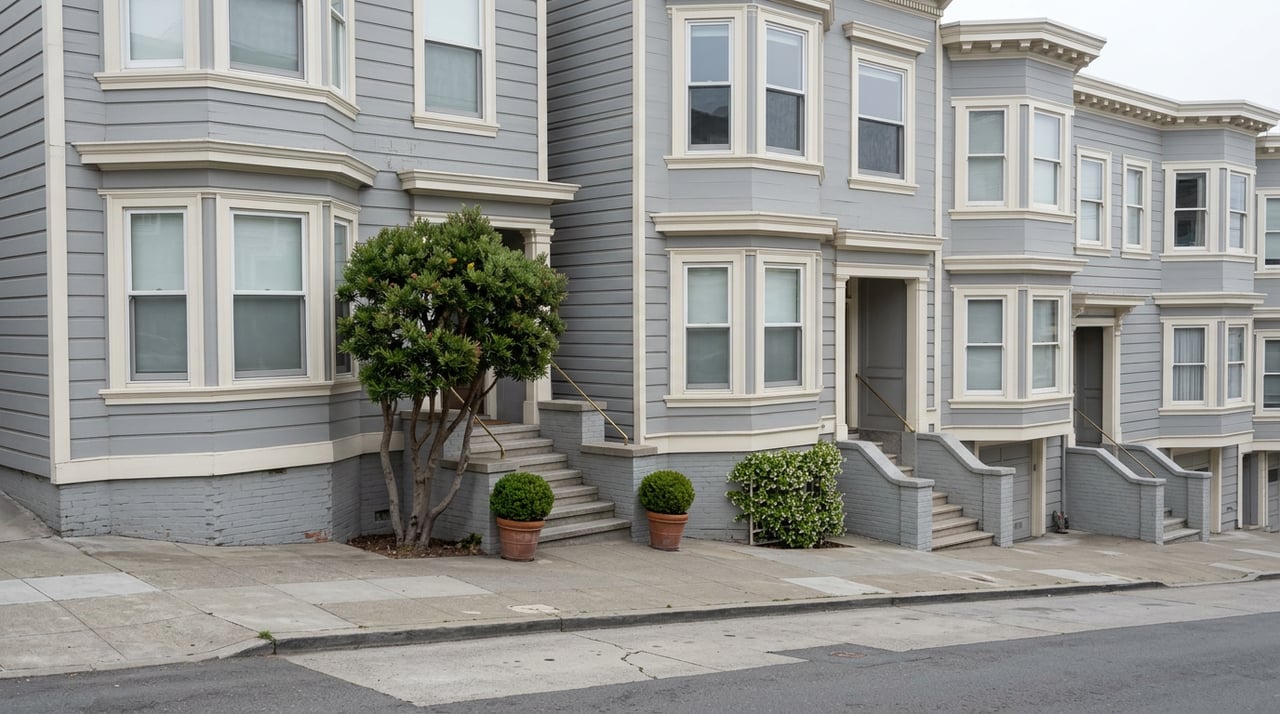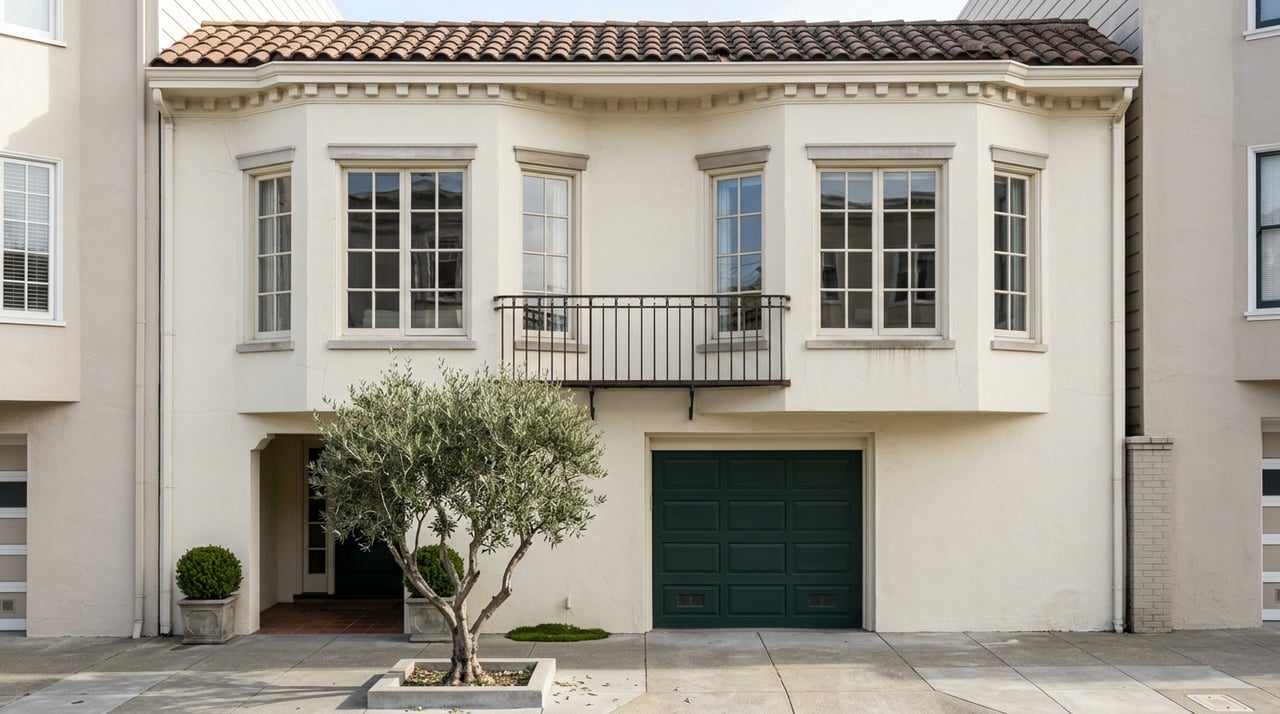
If you own one of the classic two- or three-unit flat buildings that line the blocks between Chestnut Street and Cow Hollow's Union Street corridor, you may have heard that San Francisco just made it legal to sell an accessory dwelling unit as its own condominium. The headline sounds like it was written for your building. Two or three flats stacked over a shared ground-floor garage, exactly the kind of underused space city planners have spent a decade trying to unlock.
Read the ordinance itself, and the picture changes. The rule was built around a different kind of lot than the one that defines this neighborhood, and the gap between the two matters if you are pricing a sale, planning a renovation, or evaluating a purchase where the listing mentions ADU potential.
What the city actually passed
The San Francisco Board of Supervisors approved the ordinance unanimously on July 8, 2025, using authority the state legislature created through Assembly Bill 1033, which took effect the year before. The bill, sponsored by District 4 Supervisor Joel Engardio, gives property owners a path to build an accessory dwelling unit and sell it separately from the main house, rather than holding it as a rental for years to recoup construction costs. The city's own numbers explain why supervisors wanted a stronger incentive: from 2020 through 2024, San Francisco added roughly 1,300 in-law units citywide, a fraction of what the city needs to reach its state-mandated goal of 82,000 new housing units by 2031.
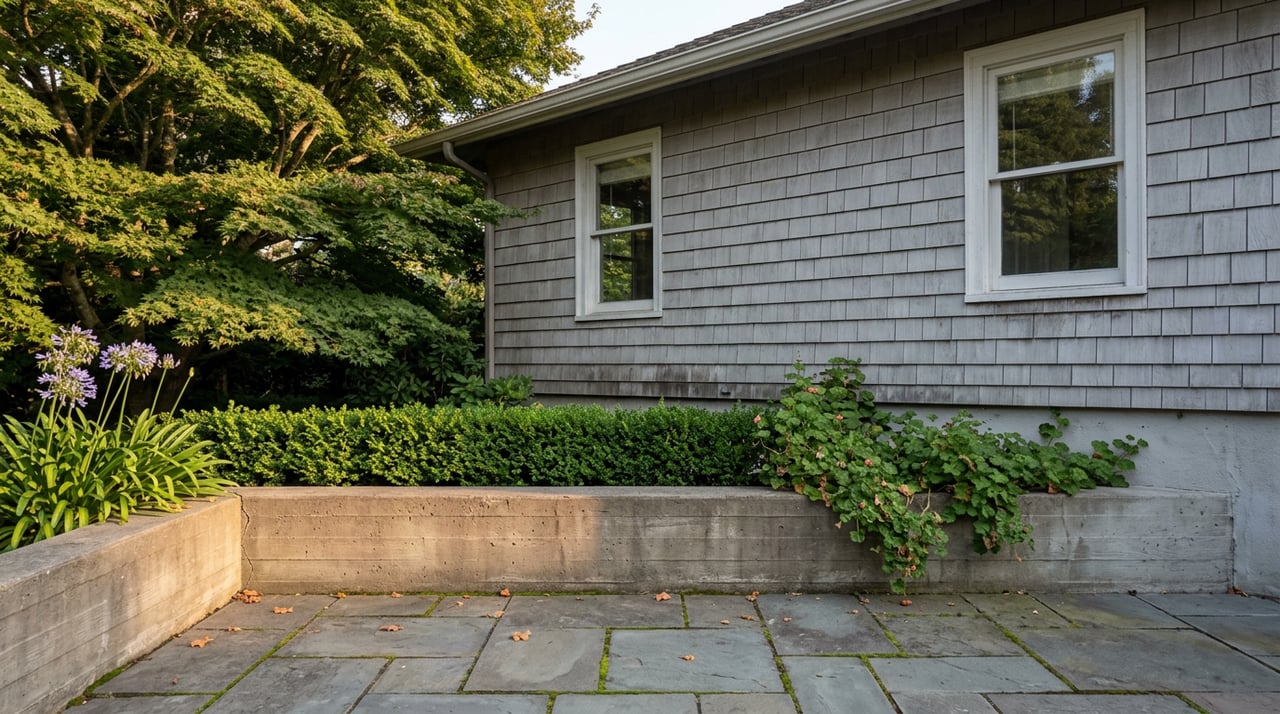
Engardio framed the policy around modest backyard construction, not existing building stock. As he put it when the ordinance passed, the change "does nothing to change the height of anything in the neighborhood." The unit in question, in his description, is "a single story in the backyard."
That framing is the first clue that the law was not written with the Marina's building stock in mind.
The building type that actually defines this neighborhood
Walk the residential blocks off Chestnut or the quieter streets toward Fillmore and you'll find the same form again and again: two or three flats stacked in a single building, with a garage running the width of the ground floor underneath. That garage-under-flats layout is one of the most common building forms in the Marina and Cow Hollow, and it shows up constantly in how these properties get marketed. It's increasingly common to see listings for older Marina fourplexes point to an underused ground-floor garage or storage room as a candidate for future ADU conversion, treating that square footage as latent value waiting to be unlocked.
That instinct is not wrong. San Francisco's Accessory Dwelling Unit Program has allowed garage and storage space to be converted into a legal unit for years. What changed in July 2025 is only whether that new unit can be sold on its own, separate from the rest of the building. And that is where the ordinance's fine print starts working against the Marina's most common housing form.
Why the new law doesn't reach the garage under your flat
The ordinance, now Planning Code Section 207.4, sets conditions that have to be met together, not individually. A unit qualifies for separate sale only if it was newly constructed, detached from the existing structure, and not created by converting space inside a building that was already there. The permit to build it also has to have been issued on or after May 1, 2025. And the lot itself has to pass a history test: if it already held more than one residential unit that wasn't a condominium before the ADU was added, the new unit is disqualified from conversion regardless of how it was built.
A garage carved out of an existing two- or three-flat building fails this test on two separate grounds. It isn't detached, since it shares walls and a structure with the flats above it. And the lot already held multiple non-condo units long before anyone touched the garage. Either condition alone is enough to keep the unit out of Section 207.4. Together, they describe almost every classic Marina and Cow Hollow flat building on the market today.
Here's how that plays out across the two lot types most common in the neighborhood:
| Property type | Existing use of the lot | Can the ADU be sold as a separate condo? |
|---|---|---|
| Single-family home, new detached backyard unit built after May 1, 2025 | One residential unit | Yes, if it meets the state ministerial approval and detached-construction requirements |
| Classic flat building with garage-level conversion | Two or three residential units, non-condo | No. Fails the detached test and the pre-existing multi-unit test |
Where the ordinance was actually built to work
Mission Local's coverage of the vote noted that the new incentive is restricted to owners of a single-family home or a condo building with fewer than four units on the lot. That description points toward the parts of San Francisco where single-family lots dominate, rather than toward the multi-unit flat buildings that define the Marina and Cow Hollow. A homeowner on a single-family lot who builds a genuinely detached ADU in the backyard, on a permit dated after May 1, 2025, is working with exactly the scenario the ordinance describes. A Marina building with three flats stacked over a shared garage, built decades before this law existed, is not.
This doesn't mean garage space in a flat building has no path to a new unit. The underlying ADU program still allows that conversion, and a legally permitted in-law unit still adds rentable square footage and value to the building as a whole. What it can't do, under this specific ordinance, is become a separately deeded, separately sold unit with its own buyer and its own mortgage.
What to verify before you price it either way
If you are selling a Marina or Cow Hollow flat building and the listing conversation turns to ADU potential, or you are a buyer looking at one with that language already in the listing, a few questions settle the matter quickly:
- Was any ADU built as a genuinely detached structure, with no shared wall to the existing building, or was it carved out of the existing garage footprint?
- Was the building permit for that unit issued on or after May 1, 2025? An earlier permit disqualifies it regardless of the unit's design.
- Did the lot already contain more than one non-condo residential unit before the ADU existed? For nearly every classic flat building in this neighborhood, the answer is yes.
- If the answers point toward eligibility, has a lender agreed to consent to the subdivision, and does the property have the CC&Rs and shared-area agreements a small condominium project requires?
None of this changes what a garage or ground-floor unit is worth as rentable or usable space within the existing building. It changes whether that space can be split off and sold to a different buyer, which is a materially different question when you're setting a price or writing an offer.
A few questions worth asking directly
Does this mean I can't build an in-law unit in my garage at all? No. The city's broader ADU program, separate from this new ordinance, still allows garage and storage conversions in existing buildings. What's off the table is selling that converted space as its own condominium under Section 207.4.
What about a single-family home in the Marina, rather than a flat building? A true single-family lot is a different case. A newly built, detached ADU there, permitted after May 1, 2025, can potentially qualify for separate sale under the same rules that apply anywhere else in the city.
Does an existing legal in-law unit built years ago qualify if I apply now? No. The permit issuance date is fixed at May 1, 2025 or later. Units built and permitted before that date are not eligible for conversion under this ordinance, no matter how well documented they are.
Rules like this one are exactly where a background in reading statutes instead of just marketing copy pays off for a client. If you're weighing what a Marina or Cow Hollow property is actually worth given what its garage or ground floor can and can't become, Work with Austin to get a read on the property that starts with the ordinance text, not the listing description.