You are not just buying square footage when you shop for a view condo in Cow Hollow or the Marina. You are buying light, orientation, neighborhood context, and a risk profile that can either protect or weaken that view over time. If you want the outlook to hold its value and the building to support a smart long-term decision, it helps to know what to study before you write an offer. Let’s dive in.
Why views work differently here
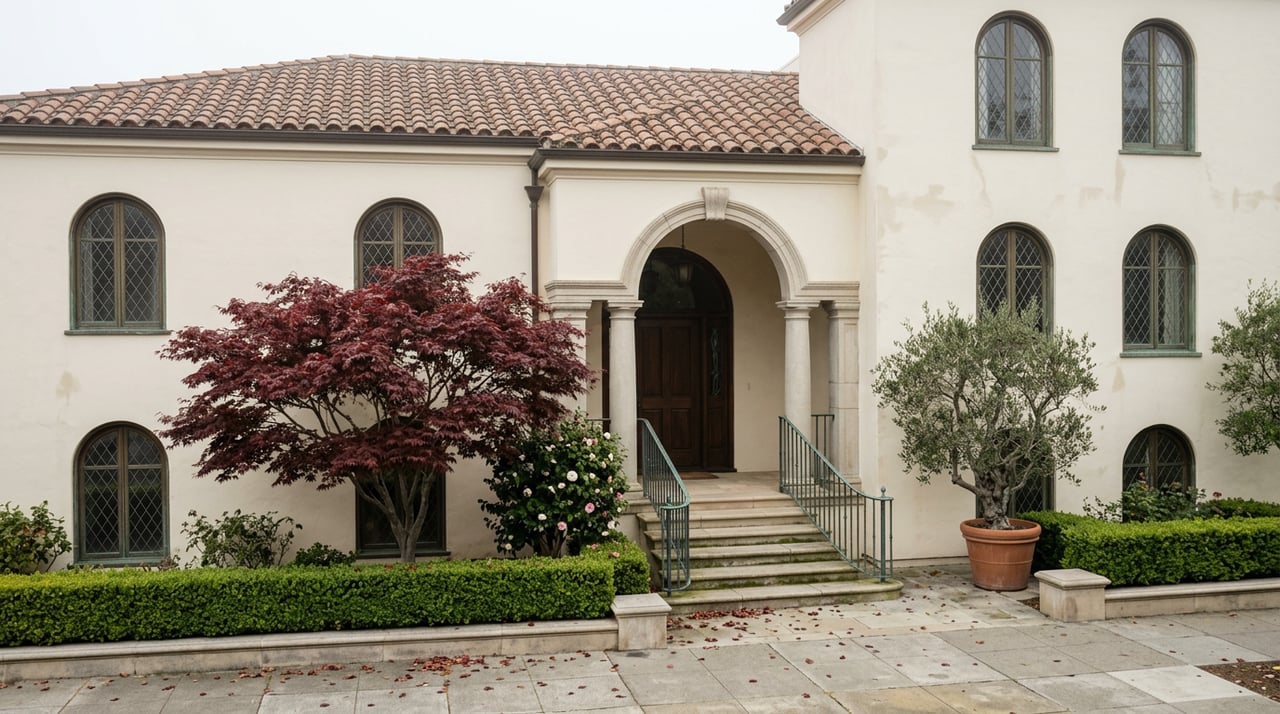
Cow Hollow and the Marina may sit close to each other, but they create view value in different ways. Cow Hollow slopes down from Pacific Heights toward the Bay, so elevation, block position, and the shape of nearby buildings can all change what you see from a unit.
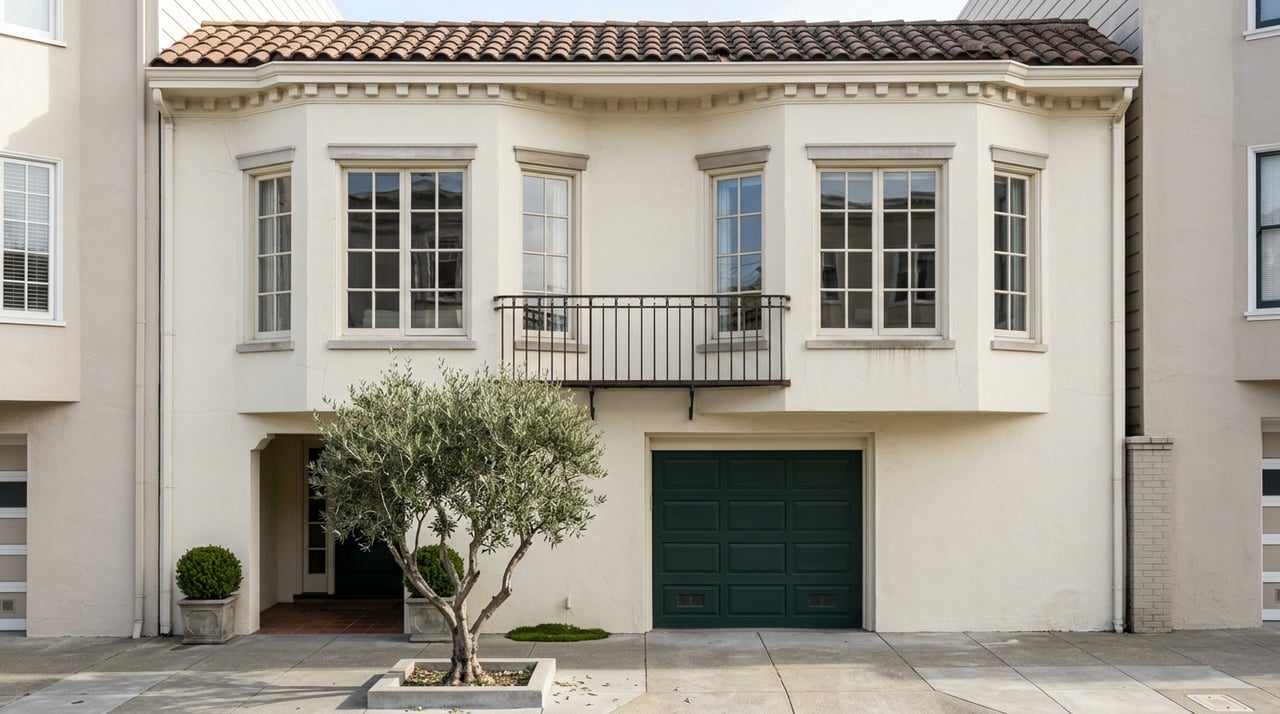
The Marina tells a different story. Its building stock is more tied to the 1920s and early 1930s, and the neighborhood sits on filled tidelands between major waterfront edges and established streets. In practical terms, that means a view condo here is often as much about site conditions and neighboring lots as it is about the unit itself.
In Cow Hollow, San Francisco planning guidance describes a neighborhood built gradually over about 100 years, with a mix of single-family homes, attached residences, and multifamily structures. Most buildings are between two and 3.5 stories. That lower-rise pattern can support view corridors, but it does not guarantee them.
Cow Hollow view strategy
Topography matters most
In Cow Hollow, a few blocks can make a major difference. Because the neighborhood slopes northward, upper-elevation units may gain broader outlooks toward the Bay, while lower blocks can depend more heavily on how the homes and multifamily buildings in front of them sit on the lot.
That is why a good interior photo is never enough. You should look at the unit from the street, from the rear if possible, and from multiple angles inside the home. The relationship between your unit and the surrounding building mass is part of the asset.
Block-by-block character affects durability
Cow Hollow is known for a varied mix of architectural styles and building types. That variety adds charm, but it also means one stack in a building can feel very different from another based on setbacks, rooflines, and rear-yard open space on nearby parcels.
San Francisco planning guidance also emphasizes lower heights, rear-yard open space, light, air, and neighborhood scale in the area’s residential zoning context. That can support more durable sight lines than in a denser vertical neighborhood, but it still leaves room for future remodeling or additions nearby that could affect an outlook.
Marina view strategy
Waterfront exposure changes the equation
The Marina often attracts buyers with water-oriented views, stronger uniformity in its building stock, and a distinct architectural identity. But the same setting that makes the neighborhood visually appealing also adds another layer of diligence.
SF Heritage notes that the Marina includes landmarked buildings and other significant structures without strong formal protection. For you as a buyer, that means the staying power of a view may depend not only on your building, but also on what happens next door or across the block.
Fill and seismic conditions matter
In the Marina, the physical risk profile deserves as much attention as the panorama. USGS connects the district’s severe 1989 earthquake damage to artificial fill and a shallow water table, and its liquefaction mapping identifies the highest hazard areas in man-made landfill zones.
That does not mean you avoid the Marina. It means you evaluate a beautiful view within the full context of the building and the site. If a building has pre-1978 soft-story characteristics or sits in a higher-risk fill area, that should shape your diligence and your pricing strategy.
What a view is really worth
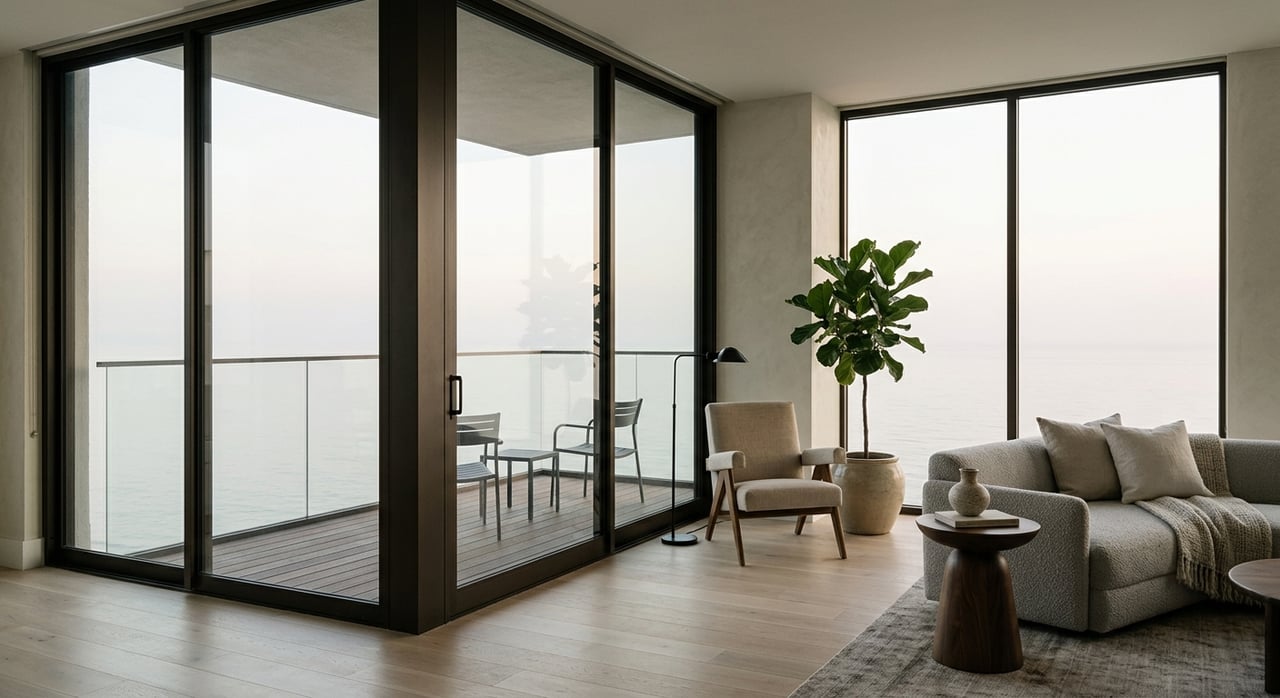
Buyers often ask whether a view is worth paying for. The short answer is yes, but only when the view is broad, easy to verify, and relatively protected.
Recent housing research found meaningful premiums for partial and full views after controlling for other factors, with stronger premiums for full views. The exact percentages from that study should not be applied directly to San Francisco condos, but the pricing logic is useful. The market usually pays more for a view that feels expansive and durable, and less for one that is narrow, partially blocked, or vulnerable to change.
The strongest view premiums usually share three traits
- Breadth: The outlook feels wide rather than window-specific.
- Protection: Nearby height and massing make obstruction less likely.
- Proof: You can support the premium with same-building or same-stack sales.
This is where contract-level analysis matters. A high asking price for a “view unit” is not enough reason to stretch if the outlook is dependent on one angle, one room, or one neighbor never changing their property.
Due diligence beyond the windows
Review the building first
A condo purchase in California is not just a purchase of a unit. You are also buying into a common interest development, which means the HOA’s governance, reserves, rules, and insurance position matter directly to your ownership experience.
State law requires sellers to provide a substantial disclosure package. That can include governing documents, the most recent annual budget report materials, a statement of assessments, notices of unresolved violations, certain defect disclosures, and, if requested, board minutes from the last 12 months and the latest reserve inspection report.
Focus on the reserve picture
California law requires a visual reserve inspection at least once every three years in qualifying associations, and reserve disclosures must show projected funding, possible future assessments, and whether reserves appear sufficient over a 30-year period. For a view condo buyer, this is critical because premium units are still exposed to the same roof, windows, decks, foundations, and shared systems as everyone else in the building.
Thin reserves can turn a dream purchase into a costly surprise. If the building has deferred repairs, weak reserve funding, or a special assessment on the horizon, that should affect how you negotiate.
Do not stop at the insurance summary
The annual budget materials include summaries of association property, liability, earthquake, flood, and fidelity insurance policies. But a summary is not the same as the full policy, and owners can still face deductibles or losses that the master policy does not cover.
That issue matters even more in a neighborhood like the Marina, where seismic and site-related concerns deserve close review. If the view is driving a premium, the building’s protection against major loss should receive equal attention.
Soft-story and structural questions to ask
San Francisco’s soft-story program applies to certain pre-1978 wood-frame buildings with five or more residential units and two or more stories over a weak ground floor. The City notes that these buildings are found throughout San Francisco, with substantial concentrations in the Marina.
If you are considering a Marina condo, ask whether the building falls within that framework and whether retrofit work is complete. A unit can have a stunning Bay view and still present a building-level issue that affects financing, insurability, reserves, or resale.
Key building questions for buyers
- Is the building in the soft-story program?
- If so, has retrofit work been completed?
- What does the latest reserve study show?
- Are there planned or discussed special assessments?
- Are there unresolved violations or deferred repairs?
- What do the board minutes reveal about ongoing building concerns?
Visit at different times of day
A view condo can feel very different at 10 a.m. than it does at 6 p.m. Light changes, wind patterns shift, and street activity can affect how the home lives day to day.
This is especially important in these two neighborhoods. In the Marina, conditions near active commercial corridors can influence noise and activity. In Cow Hollow, changes in elevation and block orientation can affect light, privacy, and exposure in ways that photos rarely capture.
Check flood and sea-level context
If your view reaches toward the Bay, do not assume that the outlook is the only waterfront issue worth evaluating. San Francisco’s sea-level-rise guidance is designed to help assess vulnerability, risk, and adaptive capacity for assets in the city’s sea-level-rise vulnerability zone, and SFPUC flood maps note that flood elevations are neighborhood-specific.
That does not automatically change a buying decision. It does mean you should understand the local context before treating a bay-facing position as a pure lifestyle bonus.
Red flags that can change a deal
Some of the most important issues in a view-condo purchase do not show up in listing photos. They show up in the document package, the reserve disclosures, and the board minutes.
Watch for these issues
- Thin reserves
- Scheduled or likely special assessments
- Deferred major repairs
- Rental restrictions that conflict with your plans
- Insurance deductibles or coverage gaps
- Seismic or soft-story concerns in Marina buildings
- A view that seems hard to verify in comparable sales
These are not always deal-breakers. Often, they are negotiation points. A disciplined buyer can use them to request credits, adjust pricing, refine contingencies, or walk away before overpaying for a premium that is not truly protected.
The smart way to value a view condo
The best view-condo decisions balance emotion with structure. You want the excitement of the outlook, but you also want evidence that the premium makes sense for that stack, that floor, and that building.
In Cow Hollow, that usually means studying slope, adjacent massing, and block-level context. In the Marina, it often means starting with fill, seismic profile, and building systems before you decide how much the panorama is worth.
A great view can absolutely justify a premium. But in these neighborhoods, the strongest purchases usually come from buyers who understand that the real asset is not just what you see today. It is how well that view, the building, and the governing documents hold up together over time.
If you want a clear-eyed read on a Cow Hollow or Marina condo, from the view line to the reserve study, Austin Klar can help you evaluate the details and negotiate with confidence.
FAQs
What makes a Cow Hollow condo view more durable?
- In Cow Hollow, durability often comes down to elevation, nearby building height, rear-yard open space, and how the surrounding block is built out.
What should buyers review before offering on a Marina condo?
- You should review the CC&Rs, bylaws, annual budget, reserve package, insurance summary, board minutes, rental restrictions, unresolved violation notices, and the latest reserve inspection report, while also paying close attention to seismic and fill-related risk.
Are Marina view condos riskier than Cow Hollow view condos?
- They can carry additional site and seismic considerations because the Marina includes filled tidelands and areas with higher liquefaction hazard, so building and location diligence is especially important.
Do partial views add value in Cow Hollow or the Marina?
- Yes, partial views can add value, but they usually command a smaller and less consistent premium than broad, full views that are easier to verify and less vulnerable to obstruction.
Why do HOA reserves matter when buying a view condo in San Francisco?
- HOA reserves matter because you are buying into a shared building, and weak reserves or future special assessments can materially change the true cost of ownership.
How can board minutes affect a view condo purchase?
- Board minutes can reveal upcoming repairs, building disputes, insurance concerns, special assessment discussions, or recurring maintenance issues that may affect value or negotiation strategy.