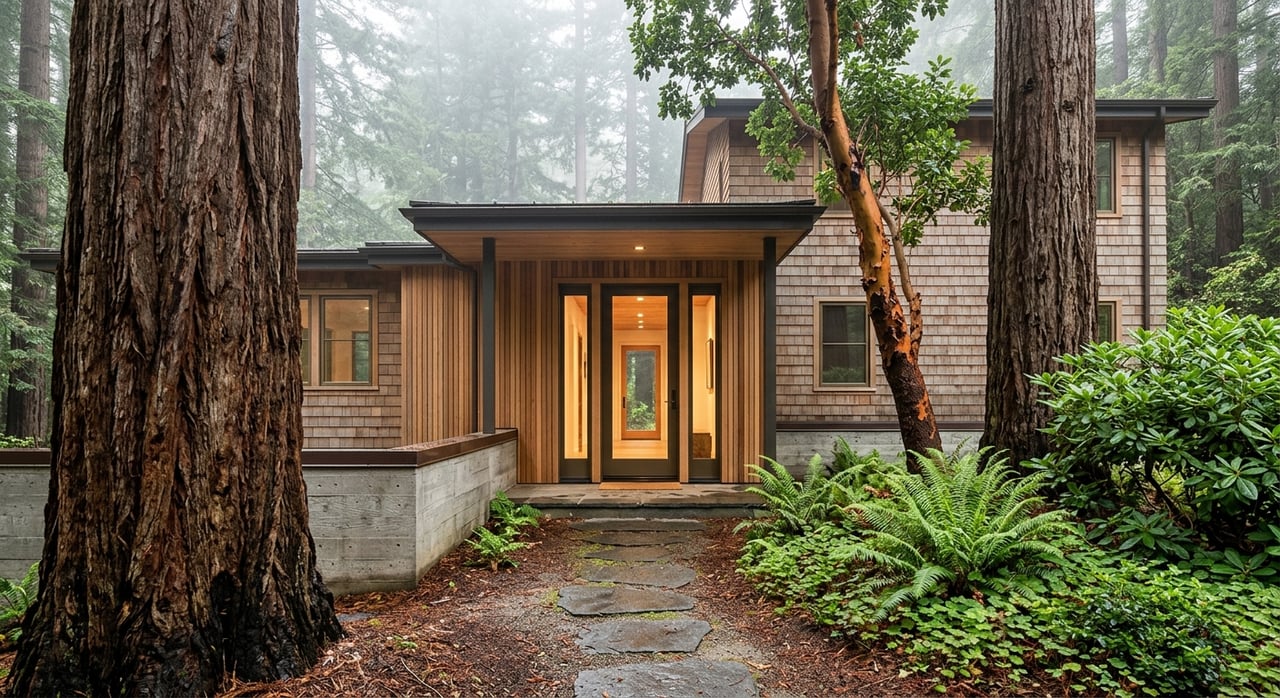
If you have ever wondered whether Mill Valley feels more like a quiet retreat or an active small town, the real answer is both. Daily life here blends neighborhood-scale living, regular time outdoors, and a downtown that people actually use, not just drive through. If you are considering a move, planning a lifestyle change, or simply trying to picture what your days might look like, this guide will help you understand the rhythm of the town. Let’s dive in.
Mill Valley Feels Small in the Best Way
Mill Valley is a city of about 14,000 residents located roughly 14 miles north of San Francisco. At just 4.8 square miles, it lives smaller than many buyers expect, which gives daily life a more connected, village-like feel.
The city also has a largely single-family housing stock, with 6,534 housing units counted in the 2010 Census and about 24% made up of apartments and condominiums. In practical terms, that means much of the built environment feels low-rise, residential, and neighborhood-oriented.
What stands out is that Mill Valley does not read like a generic commuter suburb. The city describes an eclectic cultural history and an engaged citizenry, and that comes through in how public spaces, neighborhood routes, and downtown life are woven together.
Neighborhood Life Is Part of the Experience
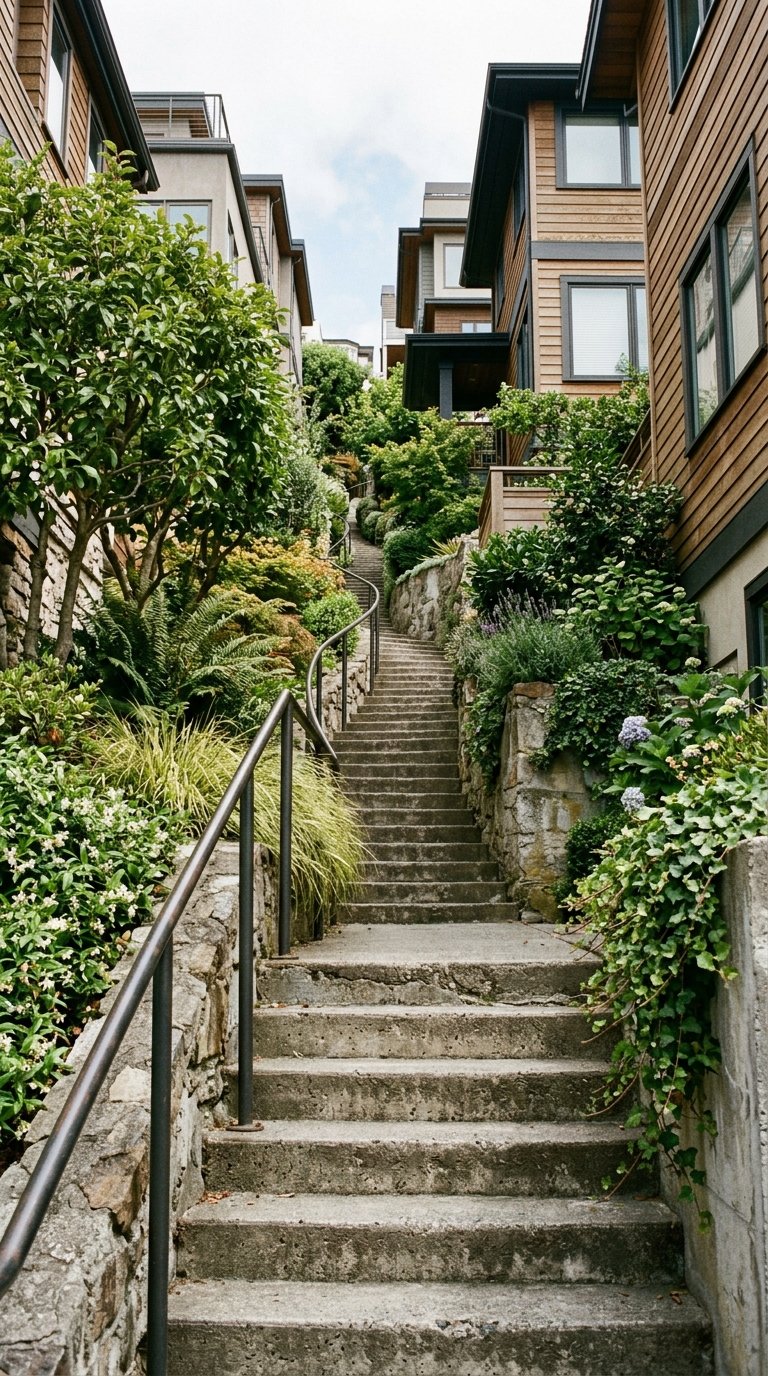
One of the most distinctive parts of Mill Valley is its network of Steps, Lanes, and Paths. The city says there are more than 175 of these original routes, and they were historically used for everyday movement like walking to school, shopping downtown, visiting neighbors, and getting to town meetings.
That history still matters because these routes remain part of the town’s layout and identity. Walkability here is not just about sidewalks near shops. In many parts of Mill Valley, the way you move through town can feel more personal, scenic, and connected to the landscape.
For many residents, that changes the pace of daily life. A short walk can feel like a neighborhood ritual rather than a chore, and getting from home to downtown or a nearby park can feel more intimate than in a place built mainly around wide roads and parking lots.
Outdoor Access Shapes the Day
In Mill Valley, outdoor time is not reserved for weekends. It tends to show up in ordinary moments, whether that means a quick walk, an afternoon at a local park, or a longer outing into the redwoods.
The city’s park system gives you several ways to spend time outside without leaving town. Bayfront Park includes a hiking and running trail on Richardson Bay, Blithedale Park has a hiking trail and creek access, Old Mill Park sits in a redwood grove near the historic Reed Mill and an amphitheater, and Boyle Park includes tennis courts, baseball fields, and picnic areas.
Even the Downtown Plaza is part of that outdoor rhythm. With benches, picnic tables, bathrooms, and a café, it functions more like a real civic gathering space than a pass-through commercial block.
If you want bigger nature access, it is close by. Mount Tamalpais State Park offers 6,300 acres of redwood groves and oak woodlands, and Muir Woods National Monument sits in Mill Valley with trails ranging from short walks to longer loops and links into Mount Tamalpais State Park.
The Weather Has More Range Than People Expect
Mill Valley is often associated with foggy, mild weather, and that is part of the story. But everyday life here also includes more variation than newcomers sometimes assume.
The city’s safety planning notes that summer heat in the Central Valley can draw in colder Pacific air, creating fog and wind. At the same time, downtown areas with more concrete and asphalt can be more susceptible to extreme heat.
That is not theoretical. The city documented an extreme heat event in September 2022 with temperatures above 103 degrees Fahrenheit. The city also warns that low-lying areas can experience localized flooding and road closures during storms.
So what does that mean for daily life? You may get cool canyon mornings, warmer afternoons, windy stretches, and periods in the rainy season when travel conditions change. Mill Valley’s natural setting is a huge part of its appeal, but it also asks for a little situational awareness.
Getting Around Is More Flexible Than Suburban
Many buyers expect life in Mill Valley to be entirely car-dependent. In reality, the town supports a more mixed routine that can include walking, driving, bus service, ferry connections, and park-and-ride options.
Golden Gate Transit says Route 114 connects Mill Valley to San Francisco’s Financial District on weekdays with peak-morning southbound trips and afternoon or evening northbound trips. Marin Transit Bus 17 serves the Mill Valley Community Center from Sausalito and San Rafael, and the city says it runs about every 30 minutes on average during peak weekday commute hours.
For regional travel, many residents combine modes. The Transportation Authority of Marin points to Golden Gate Ferry service from Larkspur and Sausalito to San Francisco, as well as SMART rail along the 101 corridor.
That patchwork approach is part of the lifestyle here. Depending on where you live and where you work, your routine may involve a short drive to a park-and-ride, a bus into the city, a ferry trip, or simply walking downtown and keeping the car parked.
Downtown Feels Lived In
A lot of towns have a downtown district. Fewer have one that feels like an everyday gathering place. In Mill Valley, the downtown core has a stronger civic and social role than you might expect.
The city describes the Mill Valley Downtown Plaza as a public open-air plaza in the city center surrounded by local shops and restaurants. It is designed for lingering, with seating, a café, picnic tables, and nearby activity that gives the area a steady pulse.
Small details help shape that feeling. The city notes that hanging flower baskets brighten the downtown business district and contribute to the area’s charm. Those touches matter because they support a downtown that feels cared for and actively used.
Parking is also managed with local use in mind. The city’s Resident Shopper Vehicle Permit allows residents and other Marin shoppers to park in metered spaces without paying the meter up to the posted time limit, usually two hours, from 9 a.m. to 6 p.m. That policy reflects a downtown built to be visited, not just passed through.
Arts and Events Add Everyday Energy
Mill Valley’s lifestyle is not only about scenery. It also has a strong public-calendar culture that adds activity throughout the year.
The city’s Arts Commission runs programs such as the First Tuesday ArtWalk, monthly art exhibits at City Hall and the Community Center, Concerts in the Plaza, Comedy in the Plaza, and the annual Click Off photography competition. Instead of feeling occasional or isolated, arts programming is part of the town’s regular rhythm.
The Mill Valley Public Library adds another layer to civic life with event programming and book clubs. Together, these institutions make it easier for residents to participate in local life in ways that go beyond shopping or dining.
For many people, this is what gives Mill Valley its staying power. You are not just buying access to beautiful surroundings. You are stepping into a place with recurring traditions, visible public life, and reasons to engage week after week.
Local Traditions Feel Active, Not Staged
Mill Valley has traditions that are tied to the landscape itself. The Dipsea Race, which began in 1905, is one of the clearest examples of that connection between place and daily identity.
The Steps, Lanes, and Paths network is also part of this story. These routes are not just historic features. The city continues to maintain and restore them, and they remain part of everyday movement as well as emergency planning.
Residents are encouraged to know at least two ways out of home, workplace, and neighborhood. That practical awareness of fire, flood, and evacuation routes is part of life in Mill Valley too, and it sits alongside the beauty, walkability, and outdoor access.
What Daily Life Often Looks Like
If you try to picture an average day in Mill Valley, it usually looks layered rather than rushed. You might start in a cooler morning climate, move through neighborhood streets or pathways, run errands or meet someone downtown, and fit in outdoor time without needing a major plan.
On workdays, some residents head toward San Francisco using a combination of car, bus, or ferry connections. Others stay local and benefit from having parks, civic spaces, and daily conveniences close at hand.
On weekends, the same pattern often expands rather than changes. The town makes it easy to spend time outdoors, check out an event, or simply enjoy a downtown that feels social and functional.
That overlap is what defines Mill Valley best. Its walkable core, access to trails and redwoods, multimodal commute options, and active public life all reinforce each other.
Why Buyers Are Drawn to Mill Valley
For buyers, Mill Valley often stands out because it offers more than one lifestyle benefit at the same time. You get a compact town structure, a mostly low-rise residential feel, immediate outdoor access, and a downtown with real day-to-day utility.
That combination can be hard to find. In some places, you get nature but not a true town center. In others, you get convenience but not the same sense of landscape or neighborhood identity.
Mill Valley offers a different balance. It feels grounded in place, shaped by history, and practical enough for everyday living.
If you are evaluating homes here, it helps to look beyond square footage and finishes. The real value often lives in how a property connects you to the town’s paths, parks, commute options, and civic rhythm.
If you are exploring Mill Valley or planning a move in Marin, working with Austin Klar can help you evaluate not just the home itself, but how it fits the daily lifestyle you actually want.
FAQs
What does everyday life in Mill Valley feel like for residents?
- Everyday life in Mill Valley often feels village-like, outdoors-oriented, and connected, with a mix of neighborhood living, active public spaces, and easy access to parks and trails.
Is Mill Valley walkable for daily errands and local outings?
- In many areas, yes. Mill Valley has a historic network of more than 175 Steps, Lanes, and Paths, and its downtown core is designed for walking, gathering, and short local visits.
What is downtown Mill Valley like on a typical day?
- Downtown Mill Valley centers on a public plaza surrounded by local shops and restaurants, with benches, picnic tables, a café, and regular arts programming that encourages people to spend time there.
How do Mill Valley residents commute to San Francisco?
- Many residents use a mix of options, including Golden Gate Transit Route 114, ferry connections from Larkspur or Sausalito, park-and-ride lots, and car trips combined with other transit modes.
What outdoor spaces are part of daily life in Mill Valley?
- Local outdoor options include Bayfront Park, Blithedale Park, Old Mill Park, Boyle Park, the Downtown Plaza, nearby Mount Tamalpais State Park, and Muir Woods National Monument.
What weather conditions should Mill Valley homebuyers expect?
- Mill Valley weather can include cool fog, wind, warm spells, occasional extreme heat, and rainy-season flooding or road closures in some low-lying areas.