Wondering why one Pacific Heights home sparks a bidding war while another lingers, even when both look impressive on paper? In this market, pricing luxury property is not just about square footage or a neighborhood average. If you are preparing to sell in Pacific Heights, you need a strategy that accounts for views, architecture, lot dynamics, buyer psychology, and the pace of the high-end market. Let’s dive in.
Why Pacific Heights pricing is different
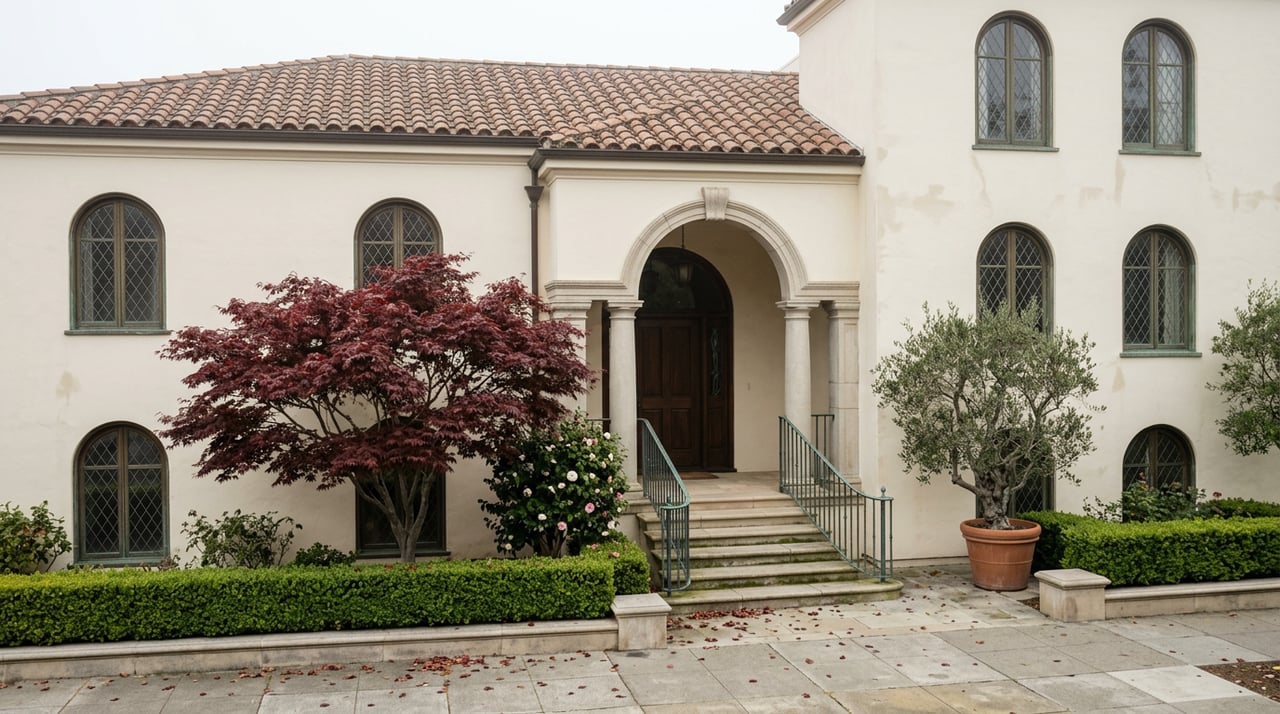
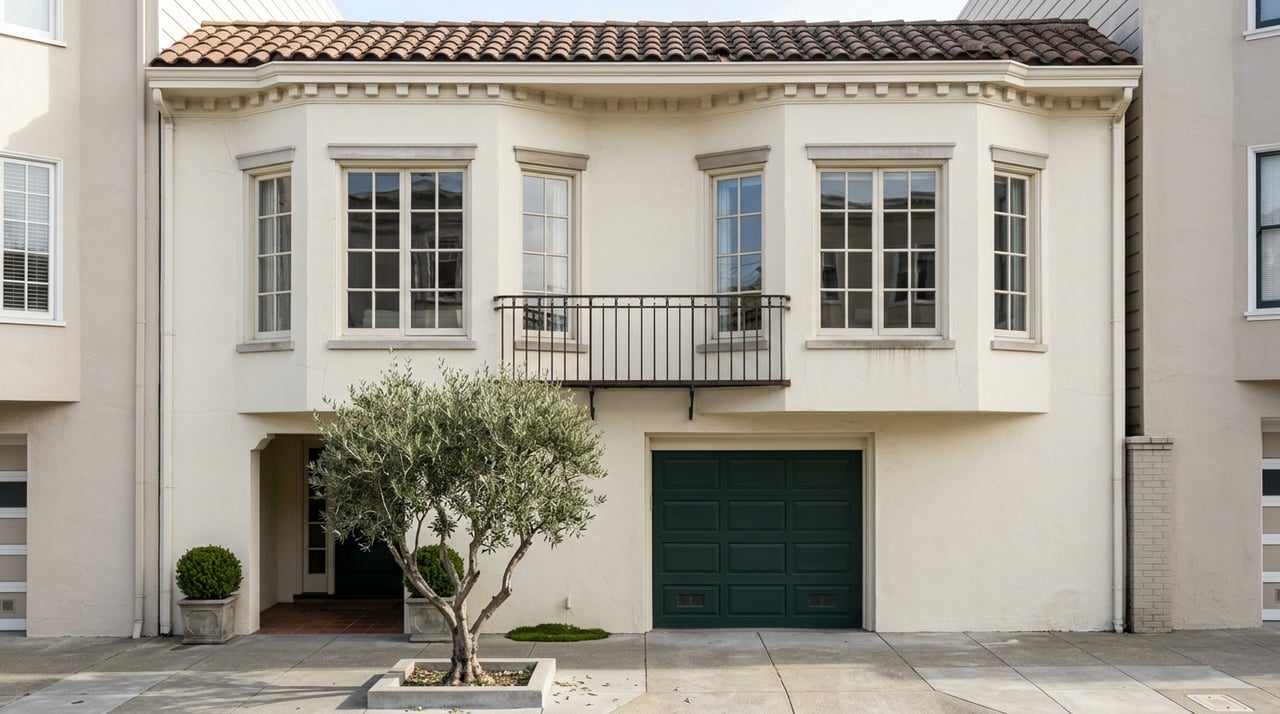
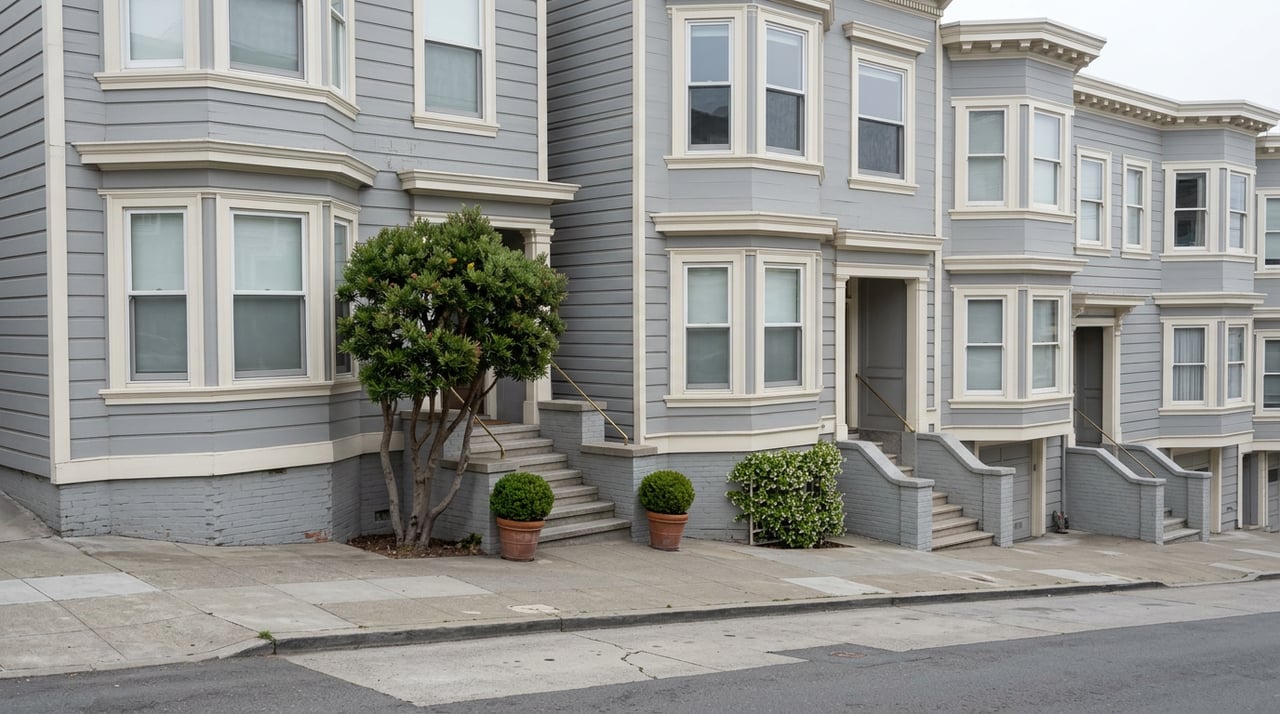
Pacific Heights is not a typical luxury neighborhood, and it should not be priced like one. San Francisco’s General Plan describes the area as a north-slope district shaped by Bay views, landscaped grounds, distinguished residences, and strong street character. That matters because buyers here often assign major value to how a home sits on the street, what it captures visually, and how it relates to the surrounding architectural context.
In practical terms, two homes with similar size can command very different prices if one has stronger Bay views, a more prominent position, or better architectural presence. In Pacific Heights, value often comes from a mix of visible scarcity and emotional impact. That is why strategic pricing starts with the property’s rarity profile, not just a neighborhood median.
Start with the property’s rarity
A strong pricing strategy begins by asking a simple question: How hard is this home to replace? In Pacific Heights, that answer often drives pricing more than broad market averages. The rarest homes tend to combine view exposure, scale, architectural significance, privacy, and turnkey condition.
Recent sales make that point clearly. At the top of the market, 2898 Vallejo Street sold off market for $56 million in April 2026, with reporting highlighting its corner lot, panoramic Bay views, large scale, and recent renovation. Another example, 2850 Broadway Street, sold off market for $45 million in December 2025, with attention focused on its architectural pedigree and north-facing views.
Those outcomes suggest that buyers in this tier are paying meaningful premiums for homes that feel difficult to replicate. If your property checks several of those boxes, pricing should reflect that scarcity. If it only checks one or two, your strategy may need to be tighter and more disciplined.
View premiums can be significant
In Pacific Heights, views are not a minor bonus. San Francisco planning documents specifically describe the neighborhood as one where Bay views down streets help define the area and contribute to the city’s overall pattern. That makes view orientation, protection, and quality especially relevant when you price a listing.
Not all views carry the same weight, though. A sweeping Bay outlook from primary living spaces will usually matter more than a partial glimpse from a secondary room. Street-to-Bay sightlines, upper-floor outlooks, and the ability to preserve privacy while enjoying the view can all shape buyer perception and price.
For sellers, the takeaway is simple: view value should be measured carefully and presented clearly. In Pacific Heights, the best pricing strategies treat views as a core asset, not an afterthought.
Architecture and condition shape the ceiling
Location matters, but in this submarket, renovation quality and architectural authorship can meaningfully raise the pricing ceiling. Pacific Heights contains a notable concentration of architecturally significant buildings, and San Francisco planning materials emphasize the value of preserving older buildings with historic or distinctive design. Buyers in this market often notice those details.
That helps explain why homes with strong design lineage or substantial recent updates can command outsized interest. The sale of 2850 Broadway Street points to the pricing power of architectural pedigree, while the $56 million sale on Vallejo shows how turnkey condition can amplify already scarce attributes. When a home offers both design credibility and modern livability, it tends to compete in a different tier.
If your home has been thoughtfully renovated, that should influence pricing. If it needs work, your list strategy should account for the buyer’s cost, time, and risk in taking on that project.
Lot shape and buildable potential matter
Luxury buyers do not just buy the house. They buy the lot, the setting, and the future flexibility that comes with it. In San Francisco, residential controls such as front setbacks, rear-yard requirements, lot width, lot area, and district-specific standards can all affect usable outdoor space, privacy, and expansion potential.
That means lot configuration matters more than many sellers assume. A corner lot, wider frontage, deeper lot, or street-to-street orientation may support a stronger pricing position because it changes how the home lives and what may be possible over time. The reported sale of 2830 Pacific Avenue, with its triple lot, Bay views, detached garage, and motor court, is a useful reminder that lot utility can be part of the premium.
When you price a Pacific Heights luxury listing, the lot should be analyzed as part of the value story, not just treated as background information.
The current market supports sharp pricing
Pacific Heights has been moving fast. In March 2026, the neighborhood posted a median sale price of $2.3005 million, up 11.4% year over year, with a median 13 days on market and a 108.9% sale-to-list ratio. Redfin also categorized the neighborhood as highly competitive, with multiple offers and waived contingencies common.
The broader luxury backdrop has been even tighter. In March 2026, San Francisco’s median luxury sale price reached $6,808,561, up 9% year over year. Luxury sales rose 22.2%, active luxury listings fell 15.2%, median luxury days on market dropped to 12, and 62.4% of luxury homes sold within two weeks.
For sellers, that does not mean every home should be aggressively over-positioned. It means the market is rewarding listings that hit the right value narrative quickly. Sharp pricing in a tight market can attract urgency, while an inflated list price can still slow momentum.
Underpricing and overpricing both carry risk
Some sellers assume the best strategy is to list high and negotiate down. Others want to list below perceived value to trigger competition. Both approaches can work in the right circumstances, but neither should be automatic.
Recent Pacific Heights sales show why. The sale of 2935 Pacific Avenue for about $4 million below asking price shows that exposure alone does not overcome a price that is ahead of buyer consensus. On the other hand, 2830 Pacific Avenue sat on the market for much of 2025, then sold at full asking price after a reset and a one-week relaunch in spring 2026.
The lesson is not that one tactic always wins. It is that pricing must match the asset and the moment. The strongest strategy balances demand generation with credibility, so buyers feel urgency without feeling resistance.
Appraisals may not tell the whole story
Luxury pricing in Pacific Heights can outpace standard comp logic, especially when a home is unusually large, recently renovated, highly view-driven, or architecturally distinct. Appraisals are based on comparable sales, and different valuations may vary because different comps are used or because they are completed at different times. If an appraisal lands below the contract price, buyers may try to renegotiate.
In thin luxury markets, comp selection gets more complicated. Same-area comps are preferred, but when the closest match is not available, competing neighborhoods or older sales may be considered if they are the best indicators and supported by market evidence. That is one reason pricing a truly unique Pacific Heights home requires more than plugging in recent numbers.
This is where disciplined preparation matters. A seller needs a pricing strategy that can attract the right buyers while also anticipating how the value conversation may unfold once the property is in contract.
What strategic pricing looks like in practice
For a Pacific Heights luxury listing, strategic pricing usually comes down to a few core steps:
- Define the home’s rarity profile, including views, scale, lot characteristics, architecture, and condition.
- Separate true comparables from nearby sales that only look similar at a glance.
- Weigh current market speed and listing scarcity, especially in the luxury segment.
- Decide whether the goal is immediate competition, quiet off-market positioning, or a longer runway with room for a reset.
- Build a marketing narrative that supports the price with facts buyers can understand.
This is where a measured, analytical approach can protect value. In a neighborhood where contract terms, buyer confidence, and presentation all affect outcome, pricing is both a numbers exercise and a negotiation strategy.
Why pricing and marketing must work together
In Pacific Heights, pricing does not stand alone. A luxury home reaches its best audience when the value story is clear, the visuals are strong, and the launch strategy matches the asset. Buyers at this level respond to scarcity, but they also respond to context.
That is why thoughtful marketing can support price realization when it is paired with disciplined analysis. For a distinctive home, strong audience reach can help surface the right buyer faster, while precise pricing helps that buyer act with conviction. The best outcomes usually come from combining both.
If you are considering selling in Pacific Heights, a careful pricing plan can make the difference between chasing the market and leading it. For a tailored strategy grounded in local luxury dynamics, connect with Austin Klar.
FAQs
How should you price a luxury home in Pacific Heights?
- You should price it based on its rarity profile, including views, architectural significance, condition, lot configuration, and current luxury inventory, rather than relying only on broad neighborhood averages.
How much do Bay views affect Pacific Heights home prices?
- Bay views can carry a significant premium because San Francisco planning documents identify views as a defining part of Pacific Heights and the city’s visual pattern.
Does renovation matter as much as location in Pacific Heights?
- In many cases, yes. Recent high-end sales suggest that turnkey condition and architectural pedigree can materially raise buyer demand and support higher pricing.
Can a Pacific Heights luxury listing still sell after a long time on market?
- Yes. Recent reporting on 2830 Pacific Avenue shows that a rare property can still achieve full asking price after a long marketing period if the pricing is reset to match the market.
Why do appraisals and market prices differ for Pacific Heights luxury homes?
- They can differ because appraisals rely on available comparable sales, and unique luxury homes may not have perfect comps, especially when they are unusually large, view-driven, or architecturally distinct.